














 :::






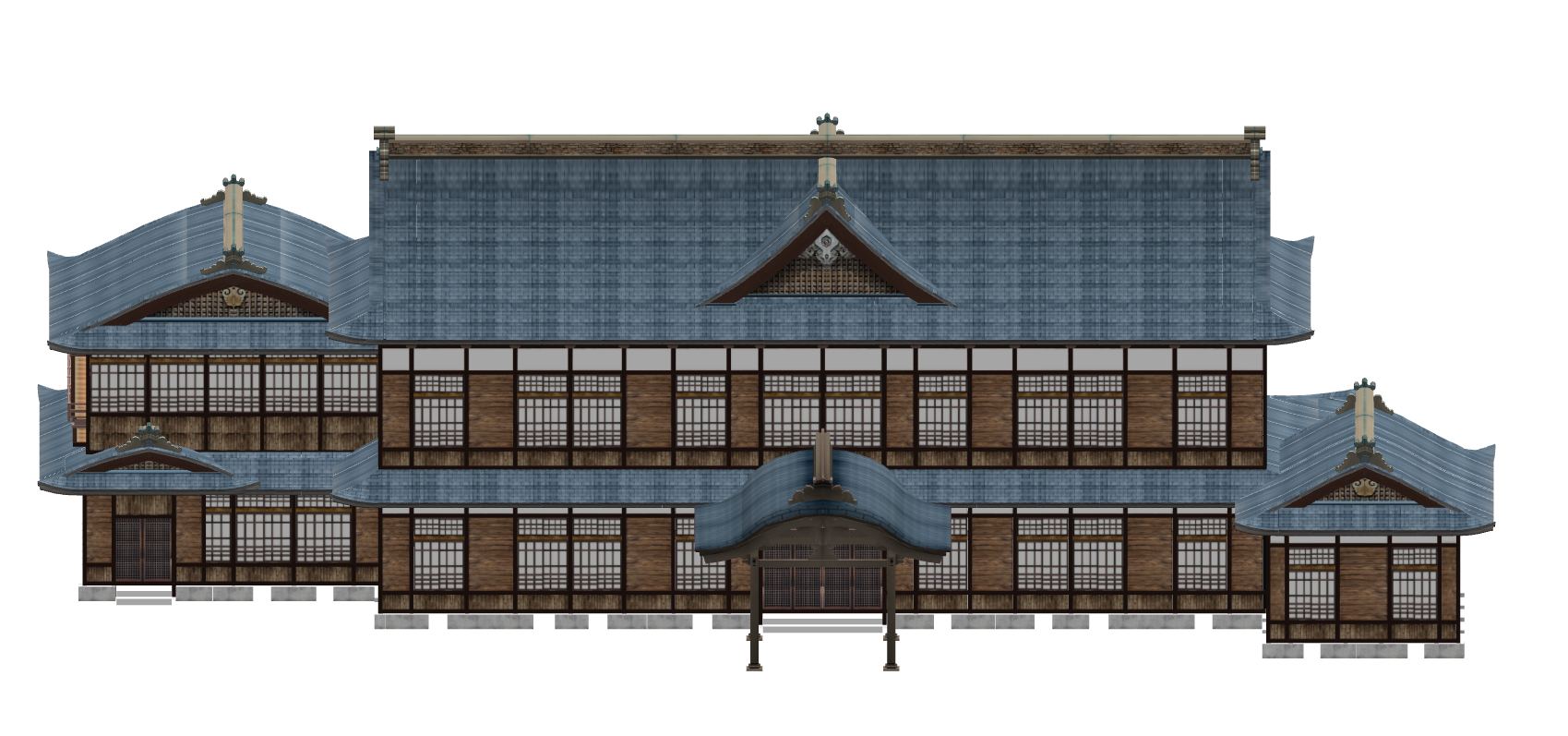
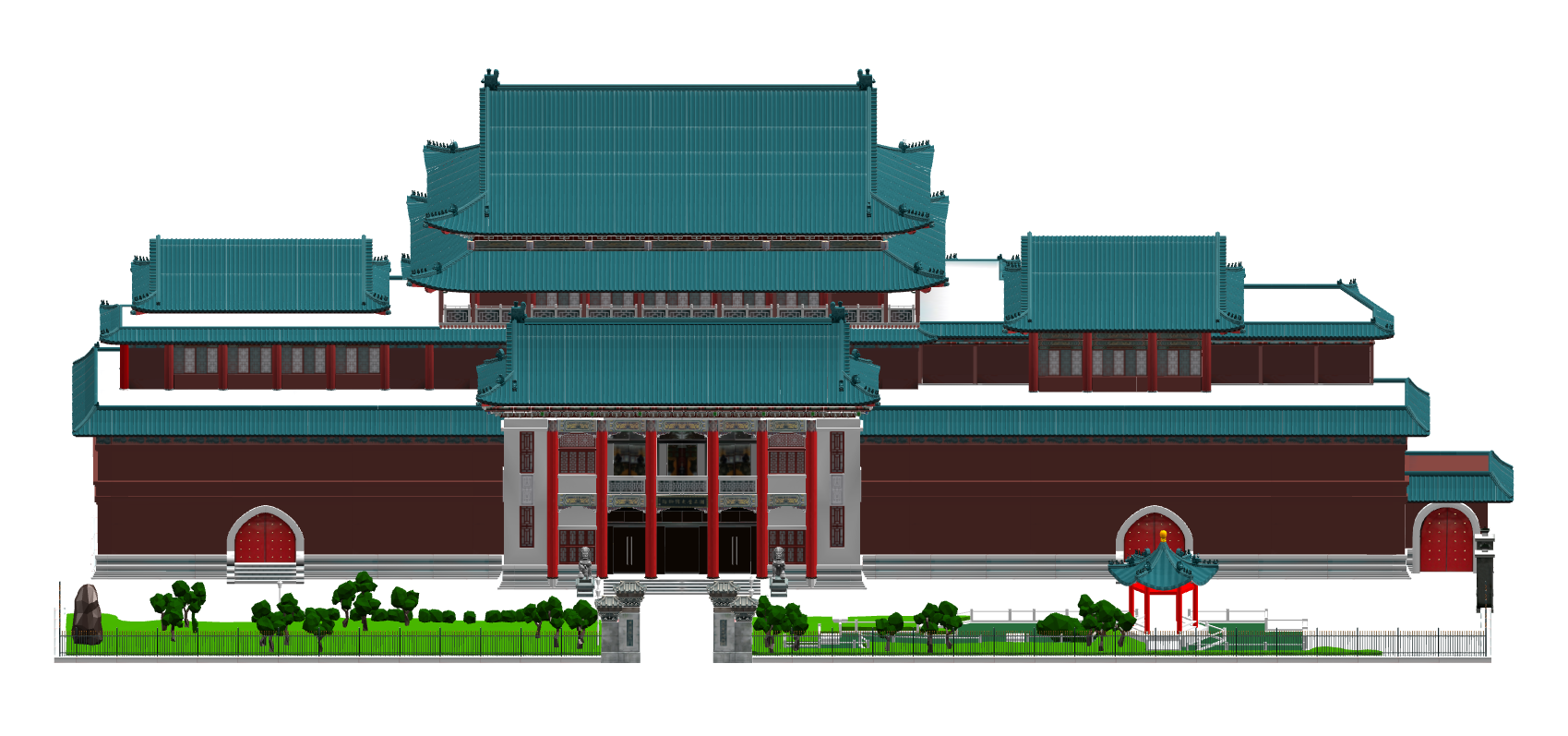
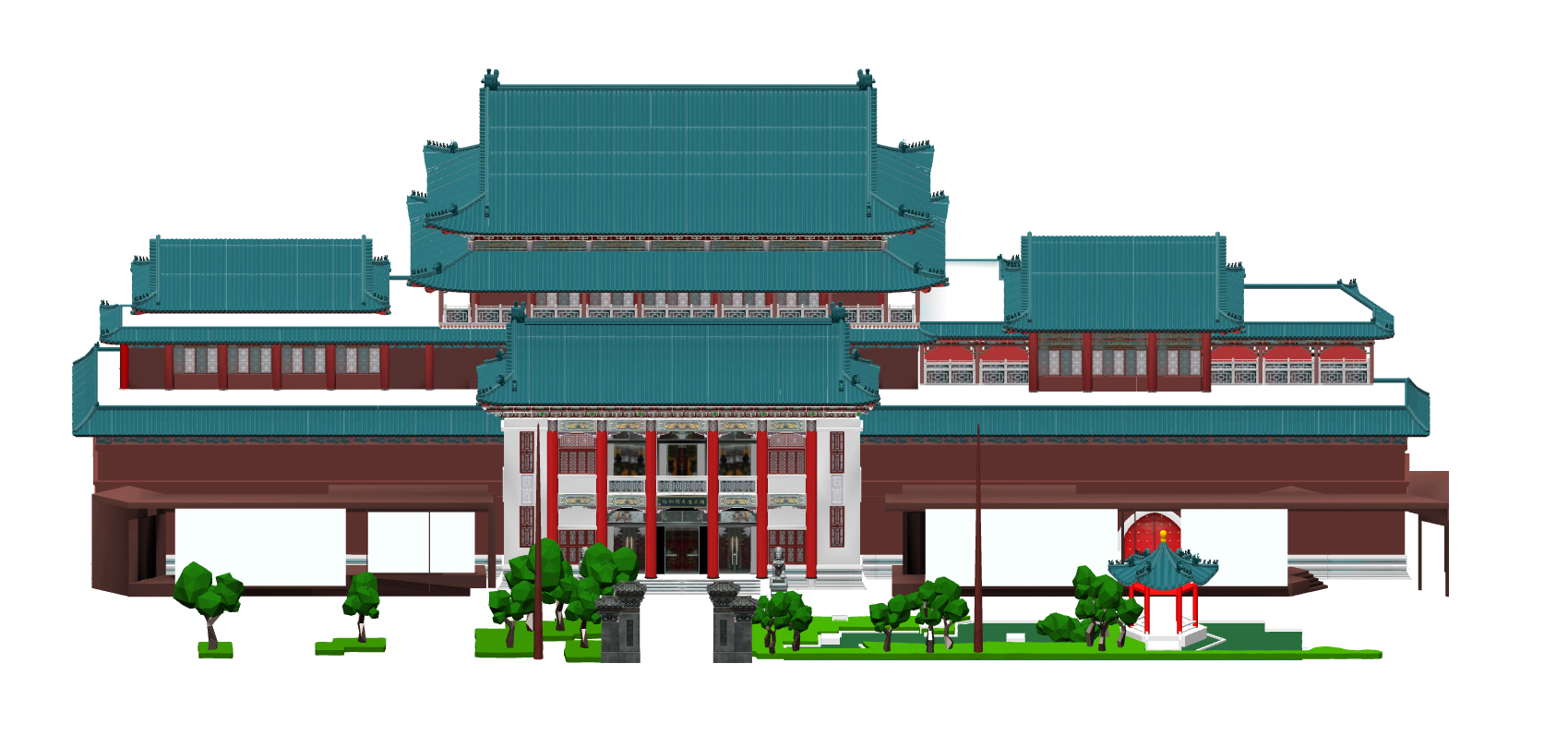






Located by the lotus pond of the Taipei Botanical Garden, the National Museum of History (NMH) has been a source of fond summer memories for many people. The NMH exterior of red walls and green tiles is accentuated by the lotus pond and vice versa. But did you know that the history of the NMH building dates back to the period of Japanese rule. As early as 1916, there was a two-story Japanese-style waterside wooden building to serve as a “Guest House” and later as a “Commodity Exhibition Hall.”After WWII, in accordance with the ROC government’s planning, this waterside wooden building was taken over by the “National Museum of Historical Artifacts and Fine Arts" and after one year, was renamed the “National Museum of History” as we know it today. Thus, the country’s first national museum after the government’s move to Taiwan was born.
As the museum’s names and functions evolved, so has this waterside building gone through several rounds of expansion of various scales. How has it transformed from its original Japanese-style building to a Chinese Neo-Classical Style Architecture (commonly known as “Palace Style Architecture”) with abundant Chinese classical elements? And how did the NMH get listed by the Taipei City Government as a “Historical Monument”? Let’s go back in time and explore the NMH’s past, present and future.